HOW TO BUILD A PCS BINDER: A STEP-BY-STEP GUIDE FOR MILITARY SPOUSES
COMMENT
SHARE

ADVERTISEMENT
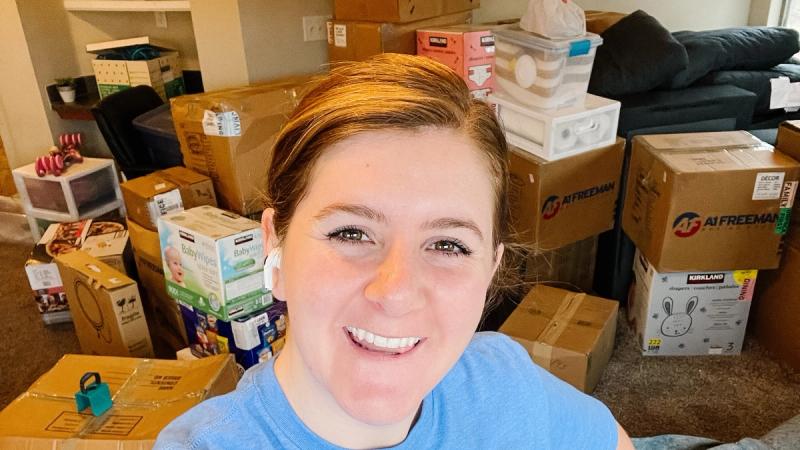
Every military spouse can tell you that a PCS can feel overwhelming before it even begins. Your service member brings news that a move is coming, then eventually orders drop, and suddenly, your entire life is being packed into boxes. Oh, and let’s not forget that you’re still parenting, putting together outfits for school spirit week, working, trying to cook through the random items in your pantry, coordinating times to say goodbye, and trying to hold everything together.
One of the most practical tools I’ve found and used through our many military moves is a PCS binder. It doesn’t have to be a Pinterest-perfect project, but most importantly a functional system that keeps all PCS and family information in one place when everything else feels scattered and overwhelming.
This guide will walk you through exactly how to build a PCS binder that actually helps, before, during, and after your PCS.
PCS Readiness Assessment
Find out how prepared you are for your upcoming PCS move. Answer these questions to identify what you still need to do before moving day.
18 questions • Takes about 2 minutes
Why a PCS Binder Matters
During a military PCS move, information comes at you fast and from everywhere. Emails, military systems, phone calls, housing offices, schools, medical, finance will all be shooting you information- important information. When something goes wrong (and something always does), the ability to quickly access documents can reduce stress and save time.
A PCS binder gives you one place for essential paperwork, an easy way to track timelines and tasks, a sense of control during a chaotic season, and confidence that you always have what you need to process the PCS or help your family transition.
It’s especially helpful for military spouses who are managing the move while their service member is training, deployed, or unavailable.

Nobody Prepared You for Military Life
But we can help. Join over 100k spouses already getting the advice, resources, and military tea they need to thrive.
Step 1: Choose Your Binder Setup
Your PCS binder does not need to be complicated.
You’ll need:
- A sturdy 1-2 inch binder
- Tab dividers (labeled or blank)
- Sheet protectors
- A ziploc bag or pencil pouch for receipts
Some spouses prefer digital systems, and those can work, but having a physical binder is invaluable during appointments, in-processing, and travel days when internet access may be limited.
For the dividers: If you’d like extra organization and help, I recommend getting them from military spouse owned shop List and File. Otherwise, basic ones from Walmart work great to separate sections.
Step 2: Create These Core Sections
1. Orders & PCS Documents
This is the most important section.
Include:
- Multiple copies of orders (official and amendments)
- DA Form 31 or leave paperwork
- Power of Attorney (if applicable)
- Contact info for your gaining unit or sponsor
Tip: Keep a few extra copies here—you’ll be asked for them more than you expect.
ADVERTISEMENT
2. Household Goods & Transportation
PCS moves involve a lot of coordination.
Include:
- HHG shipment paperwork
- Pickup and delivery dates
- Weight tickets
- Claims information
- TMO or transportation office contact info
If you’re shipping vehicles or pets, include those documents here as well.
3. Housing Information
Whether you’re moving on-post or off-post, housing details matter.
Include:
- Housing applications or waitlist confirmations
- Lease agreements (if applicable)
- If renting off post: History of rental history and landlord contact information
- Utility setup notes
- If buying off post: preapproval, realtor and lender information, etc.
Having everything in one place helps if timelines change or you need to advocate for yourself.
4. Medical & School Records
This section often gets overlooked—and causes the most stress if it’s missing.
Include:
- Immunization records
- Medical summaries or EFMP paperwork
- School records, IEPs, or transcripts
- Copies of birth certificates and Social Security cards
Even if records are “in the system,” having physical copies can prevent delays which is especially important with prescriptions, specialty care that requires referrals, and IEPs.
Loading calculator...
ADVERTISEMENT
5. Budget & PCS Expenses
PCS costs add up quickly.
Save and include:
- PCS-related receipts
- Temporary lodging expense tracking
- Travel days and mileage notes
- Notes on expected entitlements
Tracking expenses as you go makes reimbursement smoother and reduces financial stress later. I personally always have a ziploc bag that I’ve pushed through the 3 rings of the binder. This makes an easy place to collect all receipts.

6. Notes, Checklists & Contacts
This is your catch-all and one of the most useful sections.
Include:
- PCS to-do lists
- Phone numbers and emails
- Notes from calls or appointments
- Questions you still need answered
This section becomes especially helpful if you get conflicting information about PCS processes. If you take notes from calls and information you’re given, you can reference them when someone gives you different information. You’d be surprised what can happen and how the process can run smoother when you simply show a small understanding of the system.
Step 3: Use the Binder Before, During, and After the Move
A PCS binder isn’t just for moving day.
- Before: Track tasks, documents, and timelines
- During: Keep it with you at all times. Bring it to appointments, travel days, and in-processing
- After: Reference it for reimbursements, claims, and settling in
Many spouses reuse the same binder for multiple moves, simply updating sections as needed. Mine sits on our bookshelf, ready and giving me a solid headstart when our turn for PCSing comes again.
I’m not going to give you a false hope. A PCS binder won’t make a military move easy but it can make it manageable. More than anything, it gives you a place to put the mental load you’re carrying. Instead of holding everything in your head, you have a system that supports you during one of the most demanding seasons of military life.
You don’t have to do this perfectly. You just have to start.
Suggested reads:
Join the Conversation

BY MICHELLE BOWLER
Military Spouse Content Creator at MilSpouses
Michelle Bowler is an Army wife of 13 years, mom of six, and founder of The Waiting Warriors, a platform serving military loved ones through every stage of service. Through her content, podcast, and reintegration resources, she provides p...
- social media management
- social media strategy
- content creation