THE LOVE LIVES ON ACT ADVANCES IN CONGRESS — WHAT’S CHANGED AND WHAT HAPPENS NEXT
COMMENT
SHARE

ADVERTISEMENT
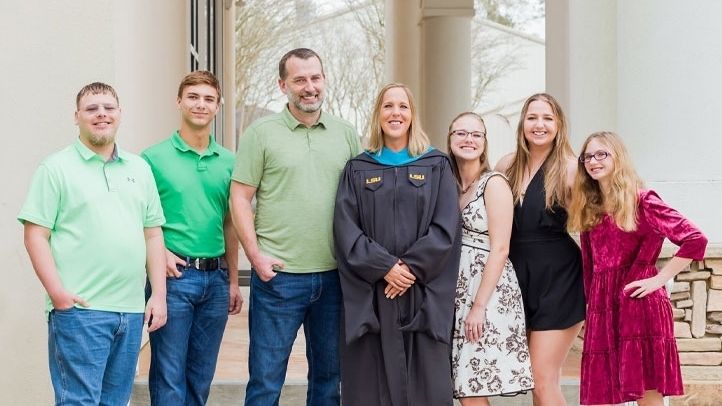
When Melissa Wilson learned she could adopt the two babies she had been fostering, her first thought wasn’t about marriage. It was about logistics.
The children were medically fragile. Their days were already filled with appointments, therapies, and specialists. Melissa knew adopting them would mean stepping away from full-time work.
She had already done the math. What she hadn’t expected was the condition attached to the adoption itself.
At the time, Melissa was told that adopting the children together would require her to be legally married. That information landed differently for someone in her position.
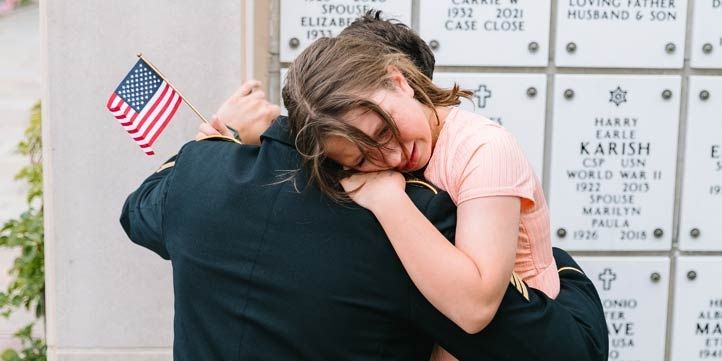
Melissa’s husband, Master Sergeant Kenny Wilson, had died in 2012. He served his entire career as a Special Forces soldier. In the years that followed his death, Melissa rebuilt her life carefully, aware that remarriage could affect the survivor benefits that helped keep her household stable.
Those benefits weren’t superfluous. They were the difference between making long-term caregiving possible or not. Adoption meant staying home. Staying home meant financial reliance. Marriage introduced risk.
So Melissa made a decision with consequences she understood but didn’t choose freely. She remarried. She adopted the children. And she adjusted to the loss that followed.
Today, her family covers medical co-pays, therapies, and services that aren’t fully reimbursed. She doesn’t frame that as a sacrifice. It’s simply the reality she lives with.
“Just because I remarried does not erase my husband’s life,” Melissa said. “It doesn’t erase how hard he fought for this country.”
What changed wasn’t love. It was eligibility.
She offers a beautifully powerful example of what it means to “move on” after the death of a spouse.
“When you have a second child, you don’t decide to love your first child less just because you have another child. Your love expands. It’s the same for me. My love for Kenny wasn’t replaced. My heart grew. That gave me the capacity to love again.”
Melissa’s experience sits at the intersection of caregiving, grief, and federal policy, where personal decisions quietly trigger financial consequences few people see coming.
The Policy Behind the Choice
Under current federal law, surviving military spouses who remarry before a designated age, typically 55, can lose access to certain survivor benefits tied to a service member’s death.
Those benefits include:
- VA Dependency and Indemnity Compensation (DIC)
- Department of Defense Survivor Benefit Plan (SBP) annuities
The policy as-is draws a hard line.
Remarry before the age limit, and benefits may be reduced or terminated.
The rule applies regardless of circumstance, caregiving demands, or economic disruption. A bipartisan proposal known as the Love Lives On Act would remove remarriage as a disqualifying factor altogether, allowing surviving spouses to retain benefits regardless of when they remarry.
Supporters argue the law includes outdated assumptions about dependency and ignores how military families actually rebuild after loss.

Nobody Prepared You for Military Life
But we can help. Join over 100k spouses already getting the advice, resources, and military tea they need to thrive.
Why Survivor Advocates Are Pressing for Change
For the Tragedy Assistance Program for Survivors (TAPS), Melissa’s story is not unusual.
“This has been at the top of our legislative priorities for years,” said Ashlynne Haycock-Lohmann, Deputy Director of Government Relations at TAPS. “It comes directly from survivor feedback.”
TAPS works with families often widowed in their late twenties or early thirties, many after years of career disruption related to military life or caregiving duties and responsibilities.
“The economic impact doesn’t disappear,” Haycock-Lohmann said. “Survivor benefits recognize that reality. They’re not supplemental income. They're an acknowledgment of the sacrifices the family has made.”
The Age Limit That Doesn’t Hold Up
One of the most persistent criticisms of the current system is the remarriage age threshold itself.
“If you wait until 55, benefits continue. If you don’t, they don’t,” Haycock-Lohmann said. “There’s no policy rationale that explains why that age matters.”
During a House Veterans’ Affairs Committee hearing on the bill, the Department of Veterans Affairs was asked to explain what materially changes for a surviving spouse at age 55. No substantive justification was offered.
For families managing loss and caregiving, the distinction can feel arbitrary, yet binding.
Congress Takes New Steps Forward in March 2026
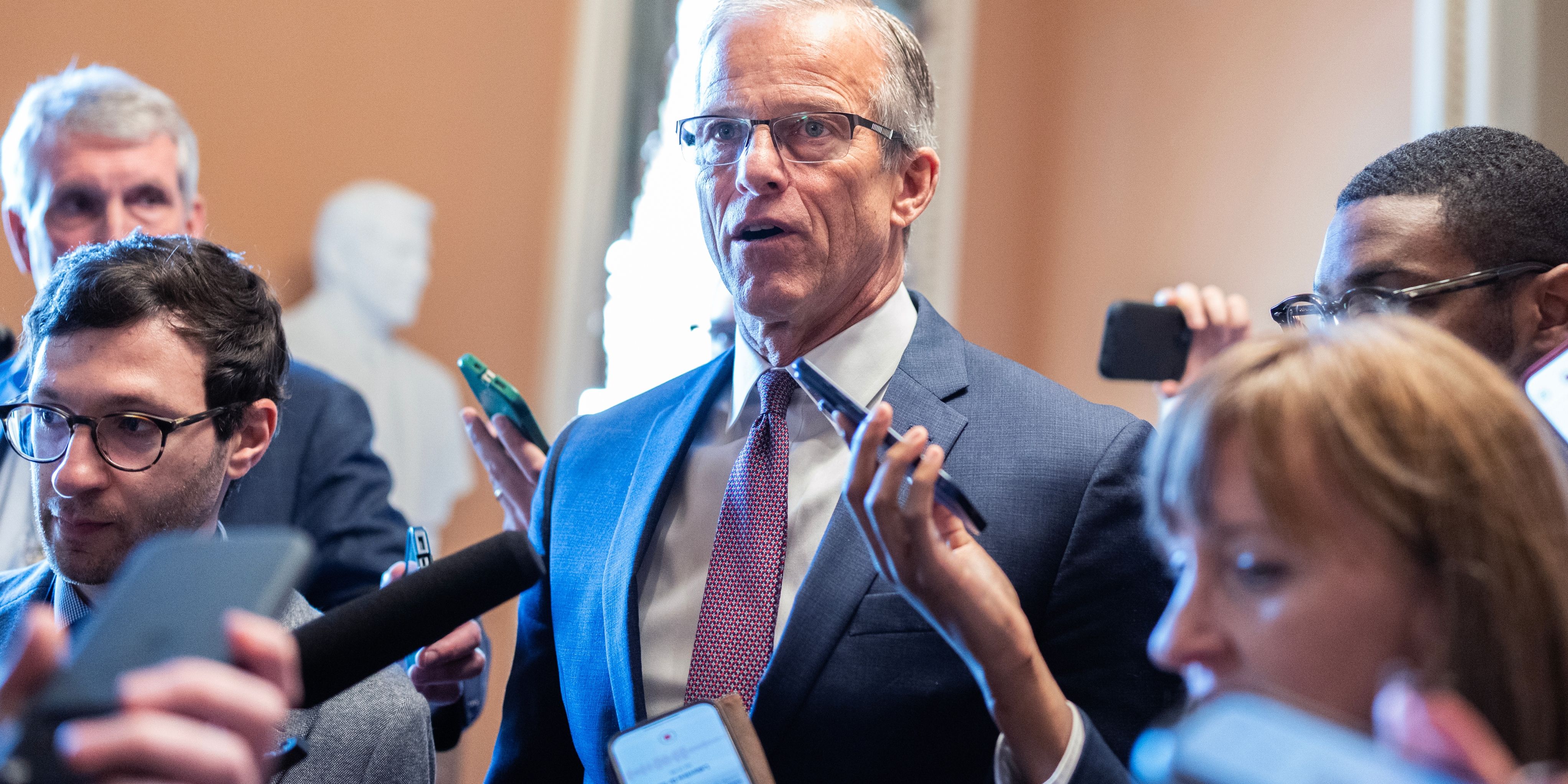
The Love Lives On Act (House: H.R. 1004 / Senate: S. 410) is a bipartisan proposal that would remove remarriage as a disqualifying factor altogether, allowing surviving spouses to retain benefits regardless of when they remarry. If passed, the change would impact an estimated 30,000 surviving Gold Star military families nationwide.
In March 2026, the Love Lives On Act advanced in both chambers of Congress. This comes after the legislation stalled in early February during a Senate Veterans’ Affairs Committee meeting when the budget to support the bill wasn’t presented on time as required by the VA.
Now, that same committee has stoked the flames of progress, advancing the legislation and clearing it for further consideration. Shortly after, the House Veterans’ Affairs Subcommittee on Disability Assistance and Memorial Affairs voted to favorably report the bill, meaning it will move on in the approval process.
“Today’s vote is a vital step toward finally ending the ‘remarriage penalty’ for surviving spouses,” said Bonnie Carroll, TAPS Founder and President, following the House subcommittee vote.
“This legislation represents our nation's sacred promise to those who serve and those they leave behind. We thank the Subcommittee for their leadership and for recognizing that a survivor’s status should be honored for life.”
ADVERTISEMENT
What Still Needs to Happen
These actions reflect growing bipartisan support and renewed momentum behind the bill, but they do not finalize it. Committee approvals are critical steps, but they do not guarantee final passage. Many bills at this stage face delays or stall entirely, making the next round of votes especially important.
Before the Love Lives On Act can become law, several steps remain:
- A full House Veterans’ Affairs Committee vote.
- Passage by the full House of Representatives.
- Potential reconciliation between House and Senate versions.
- Final approval in both chambers.
- The President’s signature to sign the bill into law.
Advocacy groups, including TAPS, are urging lawmakers to move the bill forward without delay.

What the Love Lives On Act Would and Would Not Do
What it would do
- Remove remarriage as a trigger for terminating VA Dependency and Indemnity Compensation
- Prevent Survivor Benefit Plan annuities from ending solely due to remarriage
What it would not do
- Create new survivor benefits
- Alter eligibility unrelated to remarriage
- Guarantee retroactive restoration unless specified in final legislation
- Guarantee passage and immediate implementation
Love Lives On
For thousands of surviving spouses, this policy shapes real-life decisions about love, stability, and the future. Some delay remarriage for decades. Others face financial uncertainty if they choose to move forward.
Supporters of the Love Lives On Act argue that surviving spouses should not have to choose between maintaining benefits and building a life after loss. The service member they lost died for their family to receive the support they deserve—benefits that were earned, not given.
For Melissa Wilson, the policy discussion isn’t theoretical. It is a constant that shows up in appointment schedules, in insurance explanations, and in decisions about how much support her children will need next year versus this one. Her family exists because she made the choice she was told she had to make.
The bill is now further along than it has ever been. Its passage is not guaranteed, but what happens next will determine whether this long-debated policy is finally changed, ensuring future survivors don’t face the same choice between building a life and keeping vital support.
Suggested reads:
Join the Conversation

BY NATALIE OLIVERIO
Veteran & Senior Contributor, Military News at MilSpouses
Natalie Oliverio is a Navy Veteran, journalist, and entrepreneur whose reporting brings clarity, compassion, and credibility to stories that matter most to military families. With more than 100 published articles, she has become a trusted v...
- Navy Veteran
- 100+ published articles
- Veterati Mentor
ADVERTISEMENT


ADVERTISEMENT
