When "You Knew What You Signed Up For" Isn't the Right Response: 7 Things to Say Instead


ADVERTISEMENT
There’s a handful of phrases most military spouses can predict they’ll hear, almost like clockwork, the second life gets chaotic.
"I don’t know how you do it." "You’re so strong."
The one that hits the hardest, the heavyweight champion of accidental insults: "Well, you knew what you signed up for."
To be fair, most people don’t mean to be hurtful when they say it. They probably think it’s a form of reassuring tough love, a reminder that military life comes with sacrifices, uncertainty, and a lot of green gear.
Here’s the truth that most military spouses wish people understood when they say it: Knowing a challenge exists is not the same as surviving it.
You can know deployments are part of the deal without understanding the heavy silence of tucking your kids into bed alone for the fiftieth night in a row.
You can expect frequent PCS moves without realizing how exhausting it is to rebuild your friendships, navigate new schools, or put your own career goals on hold again. You can marry the love of your life in uniform, knowing there will be hurdles, and still find yourself completely overwhelmed when they all hit at once.
Military spouses don't need reminders that military life is hard. We already know. What we hope for is empathy. Here are 7 things to say instead.
7 Ways to Support a Military Spouse

Nobody Prepared You for Military Life
But we can help. Join over 100k spouses already getting the advice, resources, and military tea they need to thrive.
1. "That sounds incredibly hard."
We never expect our friends to fix our problems – sometimes we just hope that someone can acknowledge the weight.
Sometimes the most validating thing you can say is simply to acknowledge the struggle.
As a military spouse, it’s a small reminder that we don’t have to put a shiny, positive spin on a miserable situation just to make anyone else comfortable.

2. "How are you really doing?"
Military spouses are master jugglers. We'll tell you "we're fine" while surviving solo parenting, a leaking dishwasher, a looming deployment, or sudden, unexpected orders.
Adding that single word, really, cracks the code for an open, honest answer. It shows you're ready for the real version of how we’re doing, not the polished one.
3. "It is completely valid that you are angry and frustrated right now."
There is a weird pressure in the military community (and in everyday life) to "bloom where you are planted" and stay resilient. But when a short-notice PCS move derails your career plans, or a training cycle gets extended at the literal last second, you're allowed to be mad.
Saying things like “you knew what you signed up for” makes it feel like you're policing our tone. Acknowledging that the situation genuinely sucks can be incredibly freeing.
ADVERTISEMENT
4. "It's okay to miss parts of the life you imagined."
Military families grieve a lot of invisible losses: the career opportunities put on hold for a sudden PCS move, the missed holidays with extended family, and the milestones skipped because a service member is halfway across the world.
There is a weird stigma that if you express sadness over these things, you’re being ungrateful or unsupportive. But humans aren't one-dimensional.
Acknowledging that grief doesn't mean you regret marrying into the military or that you don't love your life. The truth is that deep gratitude for the life you have and genuine grief for the life you missed can exist side by side in the exact same heart.

5. “You don't have to host me – I'm just coming over to sit on the couch with you."
When life gets overwhelming, the last thing someone wants to do is clean the house or put on a brave face for company.
This lets a friend know you want to offer a genuine connection without demanding any social energy in return. It's showing up with coffee, ignoring the pile of laundry on the chair, and just being there in the mess.
6. “I’m not going anywhere, even if I don’t fully get it. I'm entirely in your corner."
Instead of a generic platitude, this response brings raw honesty to the table. It acknowledges that civilian life and military life are often two very different realities, and that’s okay.
You don’t have to fully understand someone’s experience to support them through it.
When things are going sideways, the last thing a military spouse wants to do is play translator; breaking down PCS chaos, shifting orders, or a wall of acronyms just to justify why they’re overwhelmed. This phrase removes that burden. It lets them skip the explanation and still feel seen.
It says: you don’t have to earn my empathy. I’m already here.
ADVERTISEMENT
7. "You don't have to love every single part of military life."
Supporting your service member doesn't mean you have to be a cheerleader for the military machine. Somewhere along the way, a myth formed that being a "good" military spouse means accepting every chaotic curveball with a smile. Blind optimism isn't a requirement for love.
The reality of this lifestyle is built on contradictions. You can be immensely proud of your spouse’s service and absolutely hate the deployments that fracture your household. You can love the tight-knit community, work really hard for that community, and still resent the constant, heartbreaking goodbyes.
Mixed emotions are normal. Acknowledging them doesn’t make you less supportive; it just makes you honest. For many military spouses, simply being allowed to say that without their loyalty being questioned is a relief in itself.
How to Truly Show Up For Military Families
Supporting a military spouse isn't about memorizing a perfect script. It’s about consistency, presence, and genuine connection.
It's checking in after the initial deployment adrenaline has faded, remembering the upcoming PCS move, and offering help. Often, the best support is simply showing up, ignoring the mess, setting aside the need to 'fix' anything, and just sitting in the moment with them.
You don't need to fully understand every part of their military lifestyle to offer support. You can be a safe place. When you choose empathy over dismissal, you remind the people you care about that they aren’t alone.
Continue Reading

PCSing While Pregnant or Solo Parenting Can Feel Impossible. Here’s How to Survive It
PCS Advice

DoDEA High Schools Are Adding a Classical Western Civ Class. Here’s What Changes
Childcare
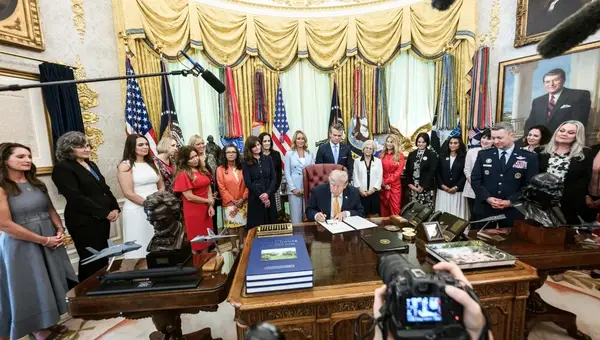
What Spouses Want the Military Spouse Commission to Address (And What They Feel Needs to Change Now)
Career & Pay
Join the Conversation

BY JESSICA GETTLE
Military Spouse & Family Life Writer at MilSpouses
BY JESSICA GETTLE
Military Spouse & Family Life Writer at MilSpouses
Jessica Gettle is a military spouse of more than a decade, part of the EOD community, and a communications professional with 10 years of experience. She combines her career expertise with a deep, personal understanding of the unique rhythms...
- Military Spouse
- SEO content writer
- Experience with deployments and relocations
ADVERTISEMENT


ADVERTISEMENT