Lonely in a Crowd After PCS? Why Starting Over Can Feel Harder Than Expected

ADVERTISEMENT
Nobody talks much about the moment after the dust finally settles. It happens long after moving day, once you’ve made it past the scramble to enroll children in school, transfer medical records, and set up your utilities. You recognize the roads, know which gate to avoid during morning traffic, and the kids have stopped getting lost on the way to class. The moving boxes are mostly gone, and from the outside, it looks like life is settling in. So why does it still feel like something is missing?
This is the quiet part that doesn’t get said out loud enough. For many military spouses, loneliness after a PCS has very little to do with being physically alone. Military spouse loneliness often appears after the usual challenges of relocation have passed, when there is finally enough space to notice what didn’t actually make the move.
The friend who could pick up your child if a meeting ran late. The neighbor who checked in during deployments. The spouse who understood exactly why you were stressed without needing to say a word. Those relationships rarely end because something happened. They ended because orders arrived.
Military OneSource identifies loneliness as a common challenge among military-connected individuals, particularly during transitions such as relocation. For military spouses, that loneliness is often tied to losing the people, routines, and support networks that made the previous duty station feel familiar.

Why the Loneliness Often Arrives After the Move
The first weeks after a PCS are usually spent solving problems. There are schedules to rebuild, healthcare providers to find, paperwork to complete, and children to help through a transition they most likely didn’t choose. Most spouses do not have much time to think about loneliness while everything around them requires immediate attention. That changes once daily life begins to stabilize, and life calms down a little.
The Department of Defense's 2023 Active Duty Spouse Survey found that 32% of active-duty spouses reported feeling a sense of isolation from military communities. At the same time, military spouses continue to identify relocation among the most significant challenges associated with military life.
Those findings help explain why the emotional impact of a move often lingers long after the logistics are complete. Military spouses become skilled at adapting because military life requires it. Few civilian families repeatedly leave behind friendships, professional contacts, trusted childcare providers, favorite teachers, healthcare teams, and local knowledge every few years. Adaptation helps people move forward; it doesn’t erase what was left behind.

Nobody Prepared You for Military Life
But we can help. Join over 100k spouses already getting the advice, resources, and military tea they need to thrive.
Being Busy Is Not the Same Thing As Feeling Connected
One of the more frustrating realities of military spouse isolation is that it can exist between a jam-packed schedule and a more-than-full calendar. A spouse may attend command functions, volunteer events, spouse gatherings, youth sports practices, and school activities throughout the week while still feeling disconnected. That experience is more common than many people realize.
The relationships people tend to miss after a move are rarely casual acquaintances. They are the people who answered the phone during deployments, recommended specialists when a child needed care, shared school information, brought meals during difficult moments, or simply showed up when they were needed.
Those relationships were built through repetition that blossomed into reliance. A school pickup line seen hundreds of times, a deployment endured together, and years of ordinary conversations that you had no idea you’d remember long after you had them. Military spouses know this instinctively. It is why attending one newcomer event rarely produces the same sense of security as the friendships left behind.
When Loneliness Is Really About Identity
Not every military spouse who feels lonely after a PCS is struggling to meet people. Some are struggling to recognize their own routines. A move can interrupt employment, place education plans on hold, separate spouses from professional networks, or end volunteer roles that provided structure and purpose.
Department of Defense data continues to show military spouses experience higher rates of unemployment and underemployment than civilian spouses, with frequent relocation remaining a major factor. The financial consequences are real. So are the personal ones.
A job, volunteer position, degree program, fitness group, or community role often becomes part of how people understand themselves. Losing several of those anchors at once can leave spouses feeling untethered, even when they are surrounded by other people.
This is where conversations about loneliness sometimes miss the mark. The challenge isn’t always finding new friends. Sometimes it is rebuilding the life that allowed those friendships to exist in the first place.

Why Community Cannot Be Recreated Overnight
Military spouses receive plenty of advice after arriving at a new duty station. They’re encouraged to get involved, join a group, volunteer, and attend events. And there is nothing wrong with any of that advice. The problem is timing. The friendships many spouses miss most were not built during a single coffee meetup or installation orientation. They emerged through years of deployments, school events, emergency phone calls, celebrations, disappointments, and ordinary life.
The Defense Health Agency identifies peer support as an important resource for military spouses because relationships with others who understand military life can help reduce feelings of isolation while providing practical support. Finding those relationships again takes time.
That reality can be difficult to accept in a culture built around adapting quickly and moving forward. But feeling lonely or isolated can deflate the desire to start over again with new people. If you’re experiencing depression or struggling with your mental health after settling into a new place, that idea alone could be enough to keep you from wanting to put energy into people who may or may not work out.
ADVERTISEMENT
Talkspace Offers Support While New Roots Are Taking Hold
A support network may take months or years to develop. Stress, loneliness, and emotional exhaustion don’t always wait. Support comes in different forms. For some spouses, it is family members, longtime friends, faith communities, or military spouse groups. For others, professional mental health support becomes an important part of navigating a major transition.
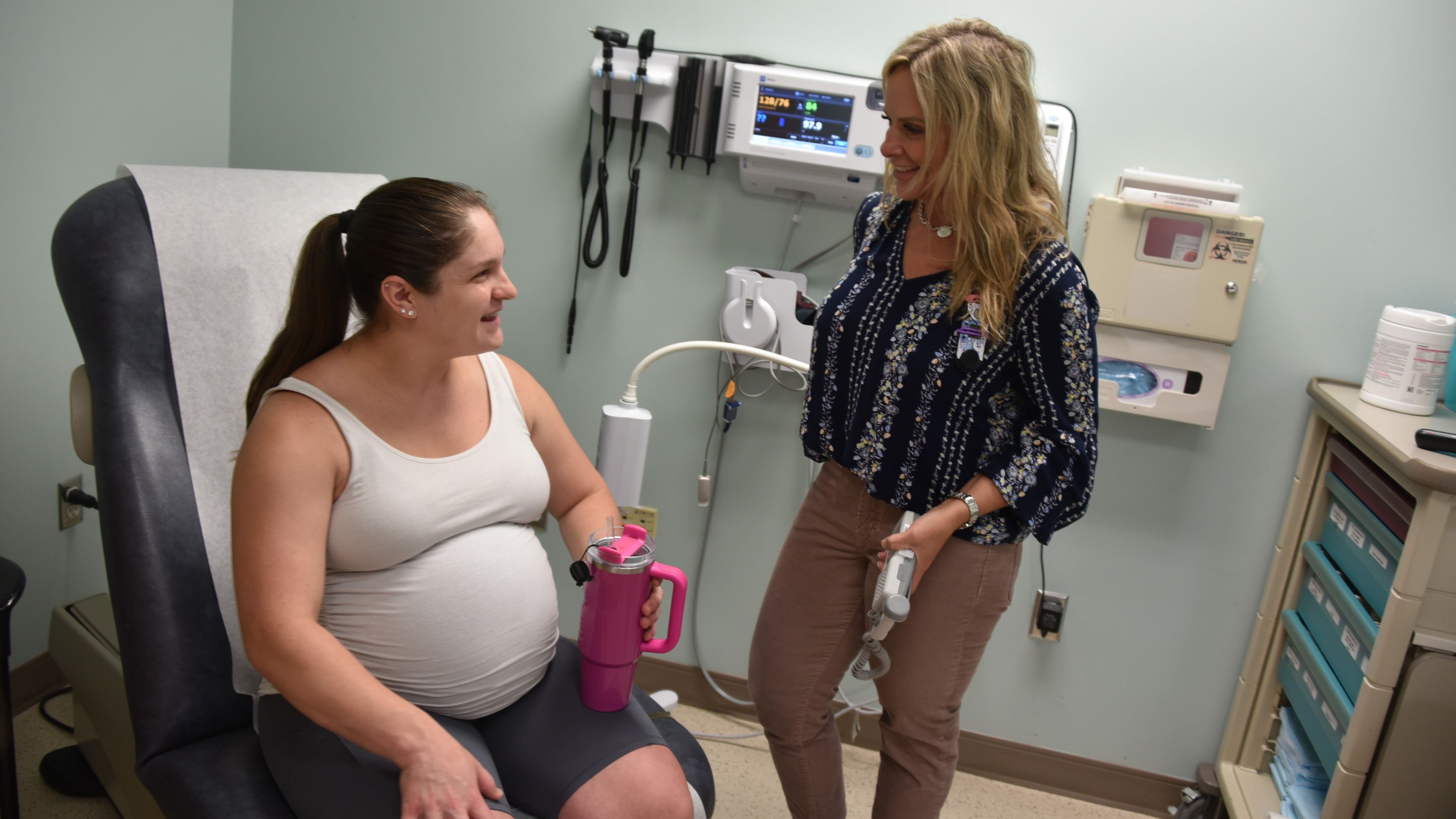
Services such as Talkspace allow military spouses to connect with licensed mental health providers regardless of location. Virtual therapy is not a substitute for friendship or local community, but it can provide continuity during periods when both are still developing.
For military families adjusting to a new duty station, that support may help bridge the gap between arrival and belonging. Military spouses often hear the same question after a move.
"Are you settled in yet?"
It sounds simple enough. But settling in means different things to different people. Housing can be secured. School registration can be finished. The last moving box can finally leave the garage. The friendships left behind at the previous duty station were built through deployments, school events, emergency phone calls, and years of ordinary life. The next support system will be built the same way. The difficult part is living in the space between the two.
The key takeaway: You don’t have to go through it alone, even when you feel like you are.
This article is a result of a collaboration with Talkspace.
Continue Reading

When "You Knew What You Signed Up For" Isn't the Right Response: 7 Things to Say Instead
Relationship Advice
The Unaccompanied Baggage Survival Kit: What You Actually Need
PCS Advice

Homeschool Equipment Now Counts as Pro-Gear on Your Next PCS
PCS Advice
Join the Conversation

BY NATALIE OLIVERIO
Veteran & Senior Contributor, Military News at MilSpouses
Natalie Oliverio is a Navy Veteran, journalist, and entrepreneur whose reporting brings clarity, compassion, and credibility to stories that matter most to military families. With more than 100 published articles, she has become a trusted v...
- Navy Veteran
- 100+ published articles
- Veterati Mentor
ADVERTISEMENT


ADVERTISEMENT